
Even I have started blogging
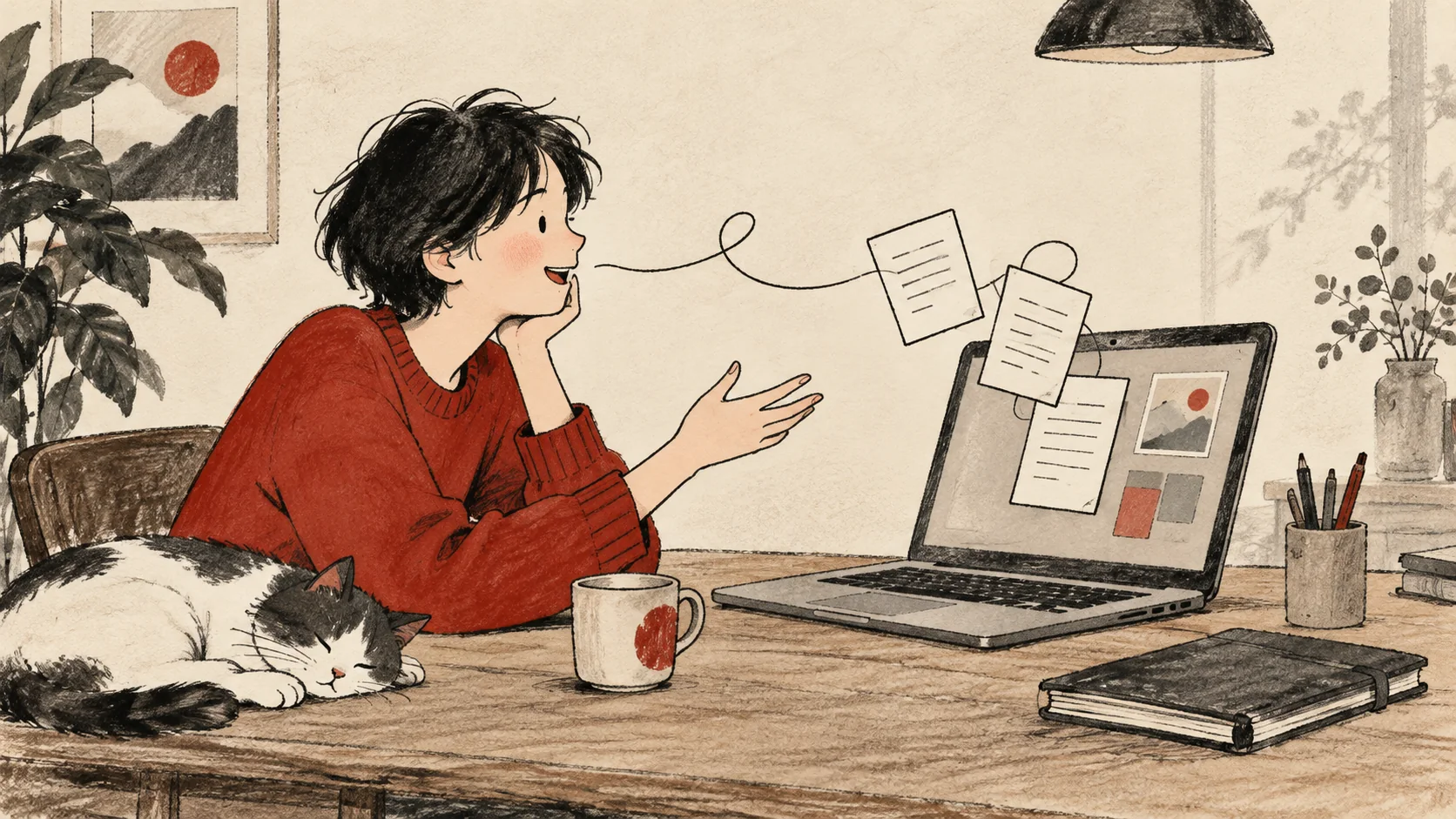
I never used to write much like this. Mostly because I'm lazy.
I'd have a thought now and then, but organizing it, writing it down, and finding somewhere to post it felt like too much trouble. Then work would get busy, and I'd forget.
Now my personal website, and this very article, come out of conversations with AI. I talk, then ask it to help put things together. Things I'd been putting off because they were a hassle can now take shape after a few sentences.
I like that. I'm using AI more and more, and finding it harder to imagine going without it.
But sometimes I wonder: how did things that used to take so much effort—things I even thought I was pretty good at—suddenly become so easy?
Everyone seems to have their foot on the gas
From NEC to SB Intuitions, I've been working on model training. I deal with this stuff every day, and lately it still feels too fast.
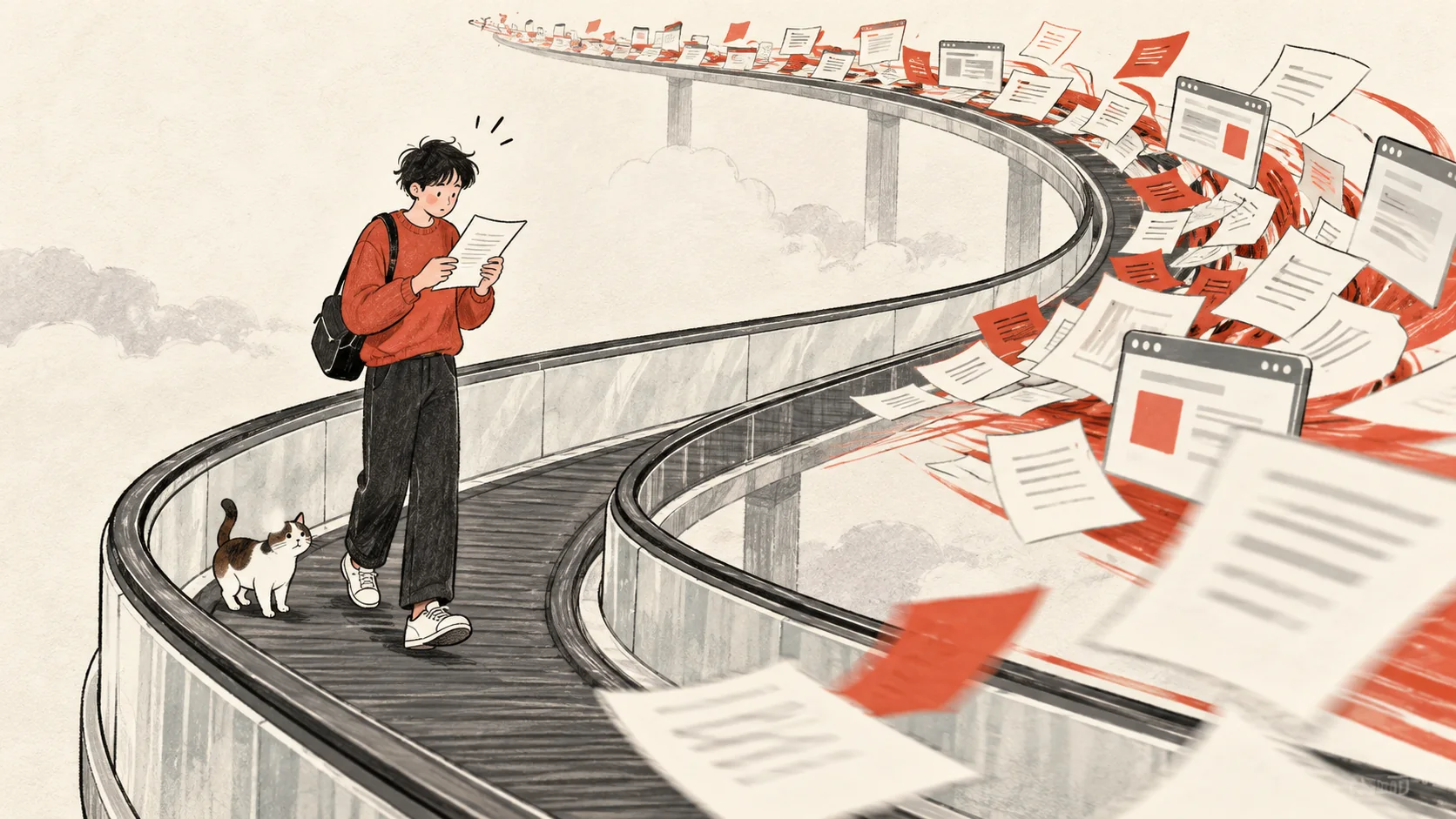
Some work that needed a team last year might take one person this year. Something that kept several people busy for a week might now take one person with AI a day. These aren't measured statistics. It's just a feeling that's becoming harder to miss in my daily work.
The time saved doesn't seem to be slowing anyone down. Faster coding means more experiments. Faster reading means more papers to read. Knowledge and research keep expanding, and nobody seems to be lifting their foot off the gas.
A new model today, a new tool tomorrow. Before I've got comfortable with one coding agent, another is all over my feed.
It's exciting. It's tiring, too. Sometimes I'm not sure whether I'm doing my own work or just keeping up with the releases.
What about the skills that used to matter so much?
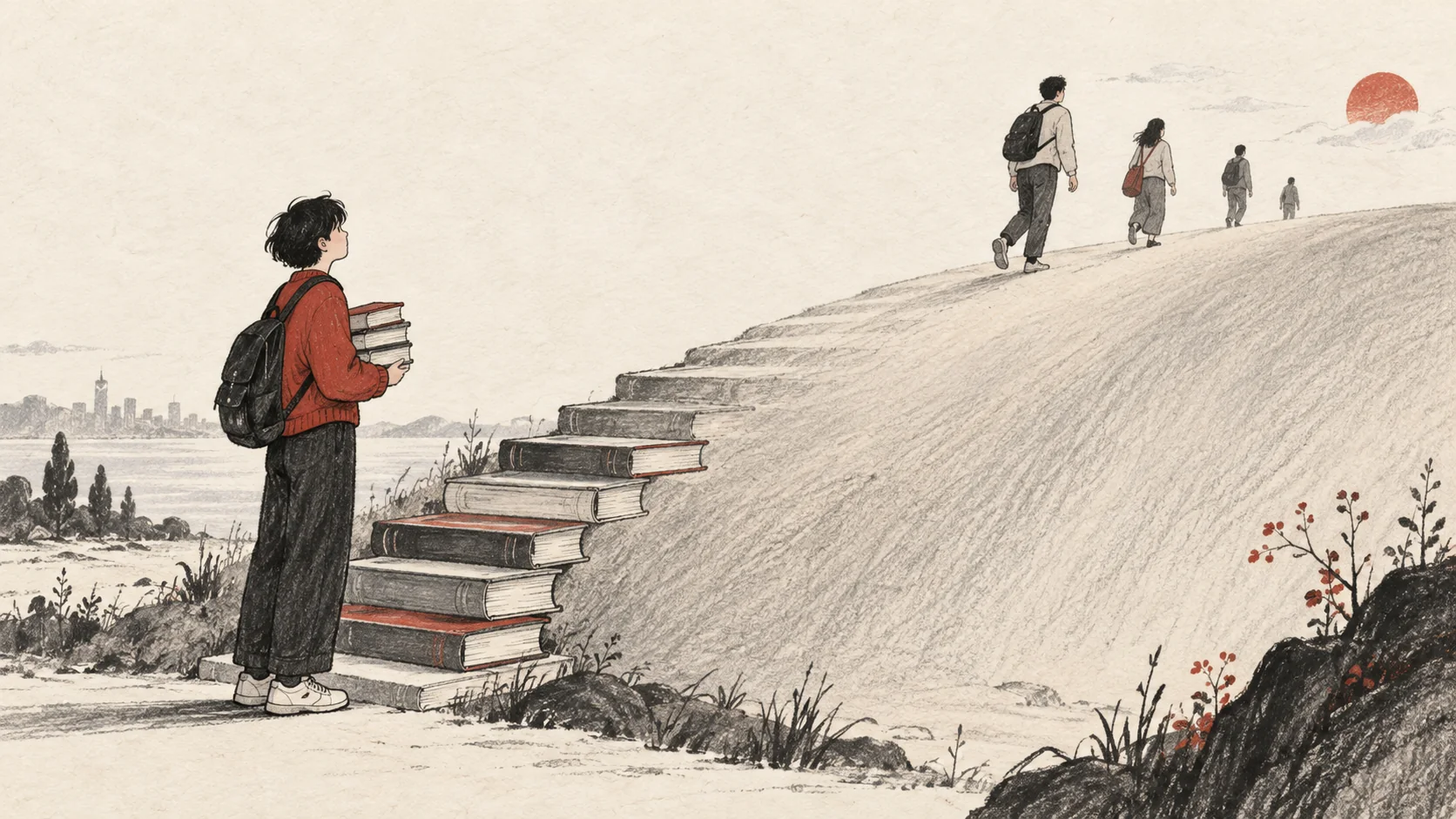
When I was a student, properly understanding a paper in a week was pretty good going. Writing code, running experiments, and turning them into a decent paper all took a lot of practice.
AI is making many of those things easier. Barriers that used to take years of learning to get past are gradually being smoothed away.
So when someone says, "AI won't replace knowledge," I don't feel quite so sure. In my own work, some of what used to require a person's knowledge and time can already be handed over to AI.
Of course, people still need to check things and exercise judgment. But how much of what needs a person today will still need one next year?
I've seen master's graduates with four or five papers who still struggle to find a suitable job. You can't pin all of that on AI. Still, it makes me pause: people are producing more than before, without necessarily feeling more secure.
If a student asked what to learn, I'd probably still say: read papers, write code, build things. I'd just hesitate a little more before saying it.
Maybe spend some time outside the technical work
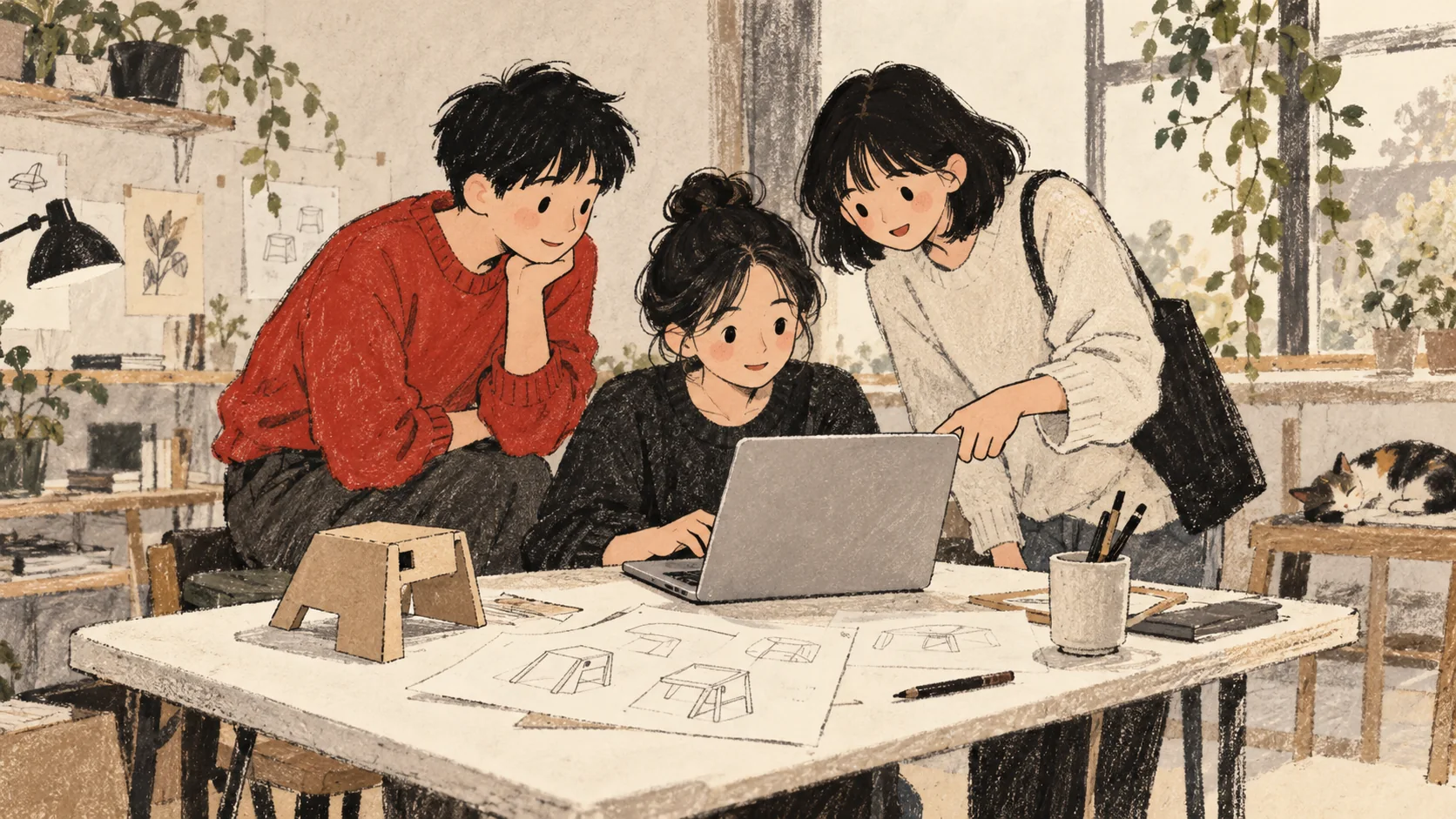
Lately I've been wondering whether young people could put some of their energy into making products.
An idea used to take ages just to get working. Now you can use AI to make something and let people try it. Then the questions become very concrete: does anyone need this? Why would they use it? Why do they say it's good, but won't pay for it?
I feel there's still a lot about business and society that AI hasn't really figured out. Neither have I, which makes me curious to get involved.
That includes learning about companies, investing, and stocks. How does a company make money? Why doesn't good technology always turn into a viable business? I didn't give these things much attention when I was busy with the technical work.
Whether I could actually make money buying stocks is another question. AI not knowing something doesn't mean I know it either.
I just wonder whether some of the time we've saved could go toward trying something else. It doesn't all have to go into chasing the next model or squeezing out another paper.
At night, I read about the universe
Still, thinking about all this too much makes me a little anxious.
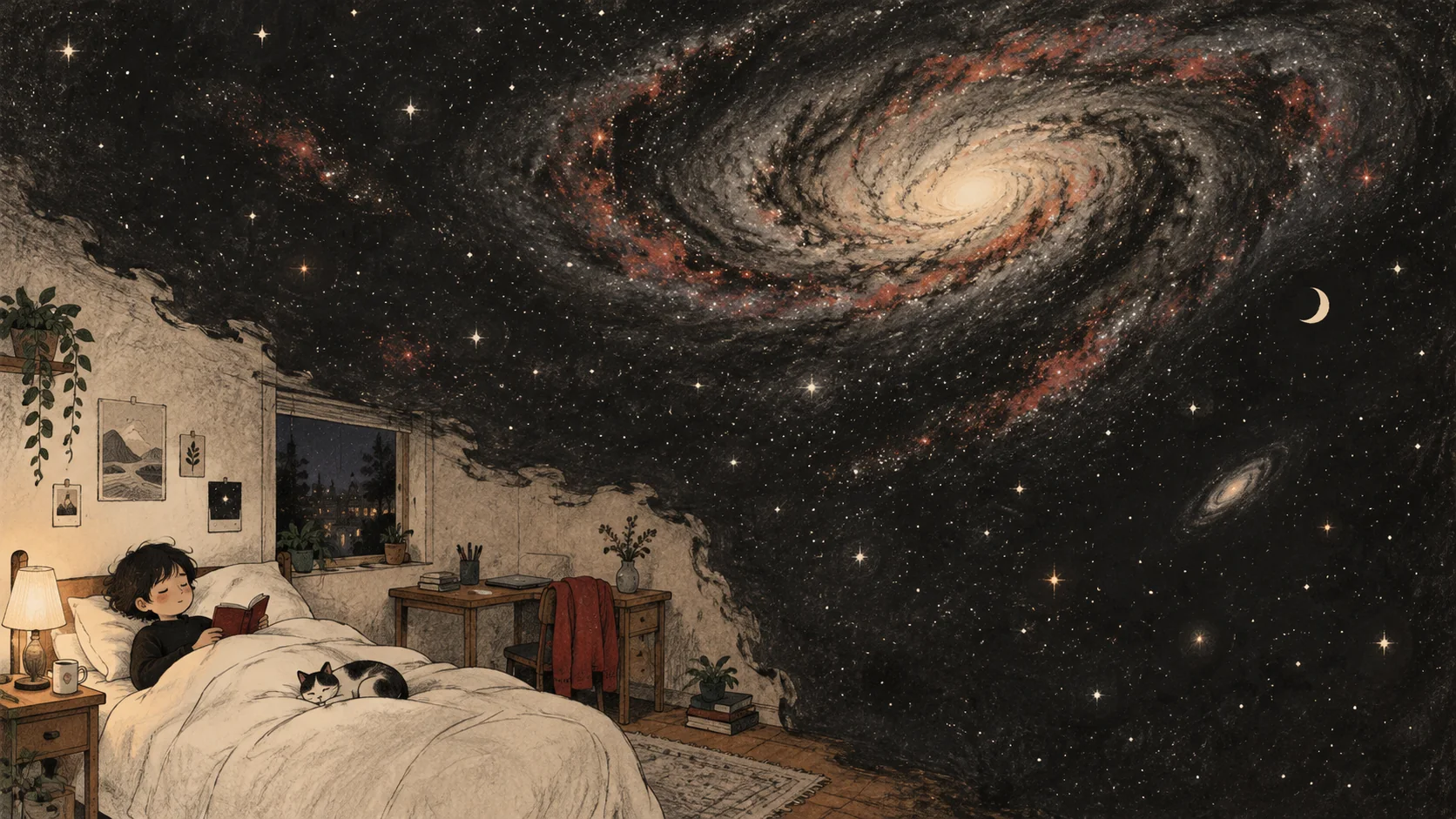
Recently I've taken to reading little bits about the universe before bed. Galaxies, black holes, stretches of time too large to picture. After a while I start thinking: yes, AI is moving fast, but humanity is still astonishingly small next to the universe.
Sometimes I come across strange thought experiments like the Boltzmann brain: imagine a brain briefly appearing through a random fluctuation, with memories of events that never actually happened.
I don't pretend to know what to make of these ideas. But occasionally, half asleep, I let my mind wander: if even this life that feels so real and so long could, in that hypothetical scenario, be just a moment, today's new model doesn't seem quite so urgent.
It's odd. Things that sound as though they should make me more uneasy somehow help me settle down.
Then I go to sleep.
And wake up the next morning to whatever AI has in store for me next.
Illustrations generated with AI.